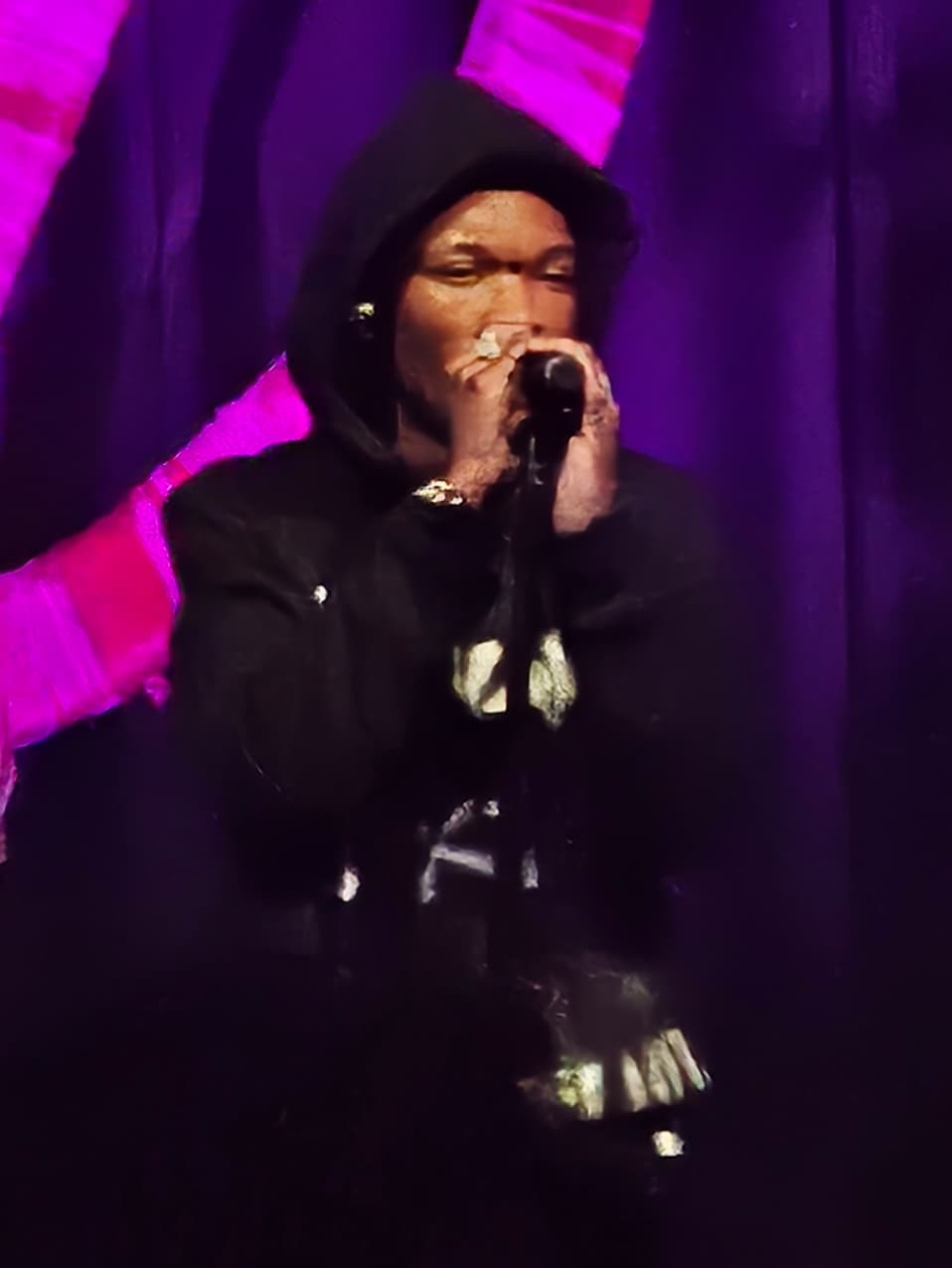
# D4vd's Legal Battle: Murder Charges and Industry Reactions
D4vd has pleaded not guilty to charges of murdering 14-year-old Celeste Rivas Hernandez. This case takes a dark turn for the singer whose real name is David Anthony Burke, as he faces not only murder charges but also allegations of sexual abuse and unlawful mutilation of human remains. The severity of these charges could have major implications for his career and the music industry at large.
The Allegations and Legal Proceedings
The Los Angeles court appearance on April 20 saw Burke and his attorney, Blair Berk, firmly denying all charges. Berk stated, "We believe the actual evidence will show David Burke did not murder Celeste Rivas Hernandez." The defense is pushing for a preliminary evidentiary hearing, suggesting confidence in their case. Prosecutor Beth Silverman appears equally ready to present the evidence collected by the district attorney's office. If convicted, Burke could face life imprisonment without parole. The potential for the death penalty adds a grim layer to an already serious situation.
These charges come with special circumstances, including the murder of a witness and murder for financial gain. Rivas was reportedly a witness in an investigation into Burke's alleged lewd acts with a minor, adding to the complexity of the case. The music industry has seen its share of legal battles, but the combination of these charges sets a disturbing precedent.
Historically, the music industry has grappled with artists entangled in legal issues. High-profile cases like those of Michael Jackson and R. Kelly have shown how allegations can overshadow an artist's career. Jackson's legal battles over child molestation charges, although he was acquitted, left an indelible mark on his legacy. Similarly, R. Kelly's ongoing legal troubles have resulted in a significant fall from grace, with streaming services and radio stations opting to distance themselves from his work.
Impact on D4vd's Career and the Music Industry
D4vd's legal troubles place a spotlight on how criminal charges can affect a musician's career. The nature of these allegations could make it difficult for fans and industry professionals to separate the art from the artist. His lawyer's insistence on his innocence could sway public opinion, but the damage to his reputation may be irreversible.
The music industry has a history of grappling with artists facing legal issues. From Chris Brown to R. Kelly, the reactions have varied from outright bans to eventual comebacks. D4vd's case raises questions about how the industry should handle artists with such severe allegations. Record labels and streaming platforms may face pressure to distance themselves, affecting sales and streams.
In the past, artists like Chris Brown have managed to maintain their careers despite legal troubles, though not without significant public backlash and a temporary decline in support. The industry often struggles with the decision of whether to continue supporting artists who face serious allegations or convictions, balancing ethical considerations with financial interests.
Legal and Ethical Implications for the Industry
The situation with D4vd highlights the ongoing tension between an artist's personal actions and their professional life. The music industry must navigate these waters carefully, balancing the presumption of innocence with public perception. One thing is clear: the outcome of this case will be closely watched and could set a precedent for how similar cases are handled in the future.
The charges against D4vd serve as a stark reminder of the responsibilities that come with fame. The music industry will need to reckon with its role in supporting or distancing itself from artists in legal trouble. This case could signal a shift in how such situations are managed, with long-lasting implications for all involved. As the case unfolds, it will test the industry's policies and ethical standards, potentially leading to new guidelines on how to handle artists facing serious criminal allegations.


